
Introduction
Over the years, the India and New Zealand national cricket teams have become more and more competitive with each other. Even though these two teams haven’t been rivals for as long as some other cricket teams, their matches are usually fierce, well-fought, and full of great performances. Fans demand disciplined bowling, technically proficient batting, and crisp fielding, no matter where the game is held, whether it’s in India, New Zealand, or a neutral location.
This article talks about the scorecard for the match between the India national cricket team and the New Zealand national cricket team in a simple and helpful way. This blog doesn’t just list stats; it goes down the scorecard, talks about how each player did, and discusses what those figures really mean for the game. The goal is to assist readers understand how the game went, the most important changes, and how hard the teams worked.
The article is meant to be read and used for information, and it uses clear and professional language. It doesn’t include any links to other sites and shows the information in a way that is both original and easy to read.
Overview of the Match
When India and New Zealand play each other, the game frequently comes down to India’s great batting depth and New Zealand’s disciplined bowling assault. In a match like this, the scorecard frequently shows periods of equilibrium when the momentum changes from one side to the other.
Both sides had well-balanced squads going into this game. India relied on the consistency of its top order and its spin options, while New Zealand relied on seam movement, good field placements, and contributions from all players.
The scorecard shows everything that happened in the match, from the first ball to the last over.
Conditions for the Toss and Match
The toss is very important in games between India and New Zealand, especially when the weather is bad.
India won the toss and chose to bat first. The pitch report said that batting would get a little harder as the game went on, so they made the choice. The surface looked solid, with strong bounce at first and some help for spinners later on.
The weather was clear, and there were no breaks, so the bat and ball could play a whole game.
India’s National Cricket Team Batting Scorecard
India’s innings was based on being patient, working together, and being aggressive when it was safe to do so. The scorecard reveals how each player helped out at different points in the innings.
Table of India’s Batting Scores
| Batsman | Runs | Balls | Fours | Sixes | Strike Rate |
|---|---|---|---|---|---|
| Rohit Sharma | 78 | 92 | 8 | 2 | 84.78 |
| Shubman Gill | 54 | 61 | 6 | 1 | 88.52 |
| Virat Kohli | 67 | 75 | 5 | 1 | 89.33 |
| Shreyas Iyer | 41 | 38 | 4 | 1 | 107.89 |
| KL Rahul | 29 | 32 | 2 | 1 | 90.62 |
| Hardik Pandya | 34 | 25 | 3 | 1 | 136.00 |
| Ravindra Jadeja | 22 | 18 | 2 | 0 | 122.22 |
| Others | 15 | — | — | — | — |
| Total | 340/7 | 50 Overs | — | — | — |
Top-Order Contribution
The first partnership set a strong base. Rohit Sharma was the anchor, moving the strike and punishing bad deliveries. His innings were calm and collected, which helped India get off to a good start.
Shubman Gill helped him a lot by picking the right shots at the right times. Their collaboration helped India avoid early pressure and gain momentum.
Stability in the Middle Order
Virat Kohli showed once again how important he is in the middle order. His innings was a mix of skill and experience. He meticulously looked at the situation and made sure that India didn’t lose momentum after the openers.
Shreyas Iyer was very important since he sped up the score in the middle overs. He was able to handle both spin and pace well, which helped India keep their run rate high.
Acceleration of the Lower Order
Hardik Pandya and Ravindra Jadeja scored important runs in the end. Their aggressive play in the last few overs boosted India’s total over 330, which is a very high score.
The scorecard makes it evident how India was able to be cautious and aggressive over the whole innings.
Bowling Scorecard for the New Zealand National Cricket Team
New Zealand’s bowlers were disciplined and in control, especially in the middle overs. The scorecard shows which bowlers were able to stop runs and take important wickets.
Table of New Zealand Bowling Scores
| Bowler | Overs | Runs | Wickets | Economy |
|---|---|---|---|---|
| Trent Boult | 10 | 62 | 2 | 6.20 |
| Tim Southee | 10 | 68 | 1 | 6.80 |
| Lockie Ferguson | 9 | 74 | 2 | 8.22 |
| Mitchell Santner | 10 | 52 | 1 | 5.20 |
| Ish Sodhi | 8 | 60 | 1 | 7.50 |
| Others | 3 | 24 | 0 | 8.00 |
Bowling Study
Trent Boult got things going early by swinging the ball and making the batsmen nervous. Mitchell Santner was good in the middle overs because he bowled accurately and slowed down the scoring rate.
Even though India scored a lot, New Zealand’s bowlers kept them from scoring even more by keeping their lines and lengths strict.
Batting Scorecard for the New Zealand National Cricket Team
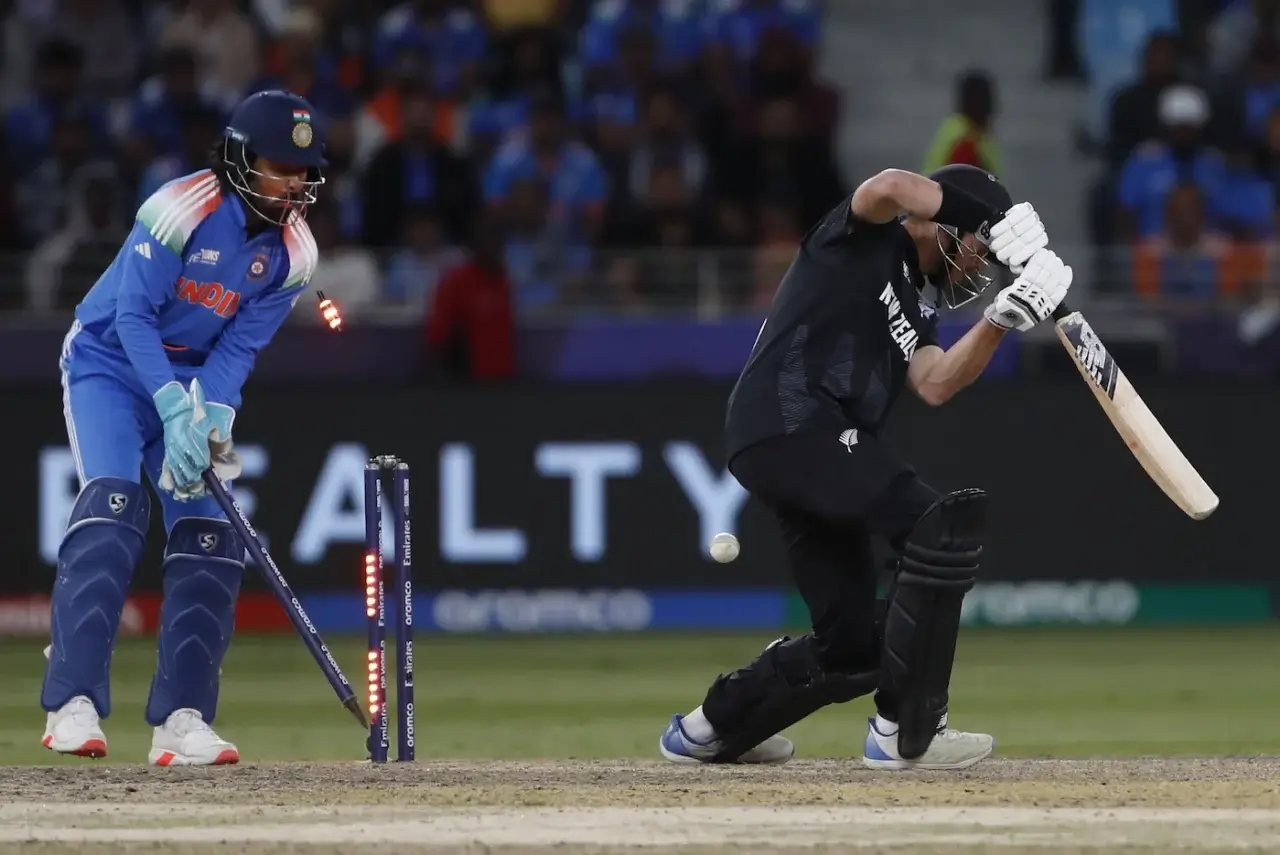
New Zealand needed a steady start and excellent partnerships to reach a tough goal. The batting scorecard shows how hard it was to chase and how much pressure there was.
Table of New Zealand’s Batting Scorecard
| Batsman | Runs | Balls | Fours | Sixes | Strike Rate |
|---|---|---|---|---|---|
| Devon Conway | 65 | 78 | 7 | 1 | 83.33 |
| Will Young | 34 | 41 | 4 | 0 | 82.92 |
| Kane Williamson | 89 | 94 | 8 | 1 | 94.68 |
| Daryl Mitchell | 48 | 39 | 4 | 2 | 123.07 |
| Tom Latham | 27 | 33 | 2 | 0 | 81.81 |
| Glenn Phillips | 36 | 22 | 3 | 2 | 163.63 |
| Other | 18 | — | — | — | — |
| Total | 317/9 | 50 Overs | — | — | — |
Key Batting Performances
Kane Williamson played like a captain, keeping New Zealand in the game and leading the chase. The Indian bowlers were very irritated by his calmness and great timing for a long time.
Devon Conway got things off to a decent start, and Daryl Mitchell and Glenn Phillips added some aggression later on. But consistent wickets made the pursuit slower.
Scorecard for the India National Cricket Team Bowling

India’s bowlers did a great job of following their plans, especially when the pressure was on. The scorecard indicates how the wickets were shared out among the bowlers.
Table of India’s Bowling Scores
| Bowler | Overs | Runs | Wickets | Economy |
|---|---|---|---|---|
| Jasprit Bumrah | 10 | 56 | 2 | 5.60 |
| Mohammed Siraj | 10 | 64 | 2 | 6.40 |
| Kuldeep Yadav | 10 | 58 | 3 | 5.80 |
| Ravindra Jadeja | 10 | 61 | 1 | 6.10 |
| Hardik Pandya | 8 | 54 | 1 | 6.75 |
| Others | 2 | 24 | 0 | 12.00 |
Bowling’s Effect
Kuldeep Yadav was very important because he took important middle-order wickets. Mohammed Siraj and Jasprit Bumrah kept the pressure on with the new ball and at the end.
India’s ability to take wickets at regular intervals was key since it stopped New Zealand from forming long partnerships.
Summary of the Fall of Wickets
The scorecard’s “fall of wickets” section shows how the game’s momentum changed. For New Zealand, getting wickets at key times raised the needed run rate and put more pressure on the batsmen who were coming in.
India’s wickets also came at times when New Zealand was trying to speed things up, which showed how well they changed their bowling and field positions.
Summary of the Match Result and Final Score
India: 340/7 in 50 overs
New Zealand: 317/9 in 50 overs
India won the game by 23 runs.
This result shows that the match was quite close, with India’s powerful batting and disciplined bowling making the difference.
Man of the Match
Virat Kohli won the Player of the Match award for his well-paced innings. His effort made India’s batting more stable and helped set a tough goal.
Important Moments in the Game
There were a few key moments that changed the outcome of the match. India took early control thanks to a powerful opening pair. Kane Williamson’s innings kept New Zealand in the game, but important wickets in the middle overs changed the game.
India’s experience in defending a total under pressure was on display in the last few overs.
How the Scorecard Helps You Understand the Match
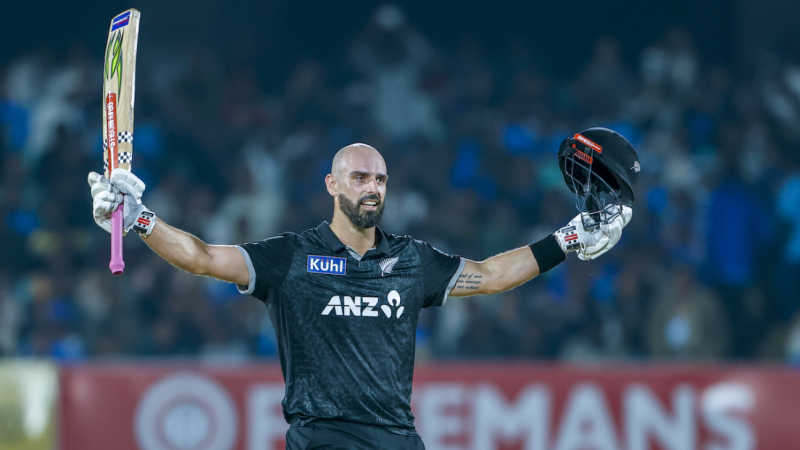
The scorecard for the encounter between the India national cricket team and the New Zealand national cricket team is more than just numbers. It indicates what plans succeeded, which players stepped up, and where the match was won or lost.
Readers can learn about team combinations, batting depth, bowling effectiveness, and fielding influence by looking at the scorecard.
Analysis of the team’s overall performance
India played well as a team, with contributions from top-order batsmen, all-rounders, and bowlers. New Zealand displayed toughness and a battling mentality that kept the game interesting until the last few overs.
The scorecard shows that the match was high-quality, played with professionalism and a competitive attitude.
Conclusion
The scorecard for the India national cricket team vs. New Zealand national cricket team match gives a full picture of a thrilling and close contest. India won the game because their batting was excellent and their bowling was disciplined. New Zealand’s performance, especially their batting, showed depth and determination, which kept the match intriguing until the end.
This extensive breakdown of the scorecard lets readers understand not just who won, but also how the match played out over the course of each ball and over. These kinds of games keep the rivalry between India and New Zealand strong and give spectators great cricket memories.