
Introduction
Fans all over the world are always very interested in cricket matches between the New Zealand national cricket team and the India national cricket team. Both sides have earned a lot of respect in international cricket by playing well all the time, having great players, and having memorable contests in all formats. When these two teams play each other, the scorecard becomes more than simply numbers. It describes the whole tale of the game, including how it went, which players had an effect, and how the ultimate score was reached.
This article gives a clear, detailed, and easy-to-understand explanation of a scorecard for a match between New Zealand and India. The goal is to help readers grasp every component of the scorecard, including as the batting and bowling stats, partnerships, the fall of wickets, and the overall flow of the play. The language is basic and professional, so it’s good for both novice and veteran cricket fans.
Getting Started
Respect, competition, and good cricket are what make the rivalry between New Zealand and India strong. Both sides have had great players and exciting games over the years. A match scorecard is the most significant piece of paper for every cricket match since it keeps track of everything that transpired on the field in a clear and organized fashion.
People who didn’t watch the game live can still relive it by looking at the scorecard. The scorecard shows the balance between bat and ball, as well as the turning points that changed the outcome. It shows everything from total runs and wickets to individual contributions. This page clearly and thoroughly explains the scorecard for the match between the New Zealand national cricket team and the India national cricket team.
A Quick Look at the Match
International regulations are usually used in a match between New Zealand and India, whether it be a Test match, One Day International, or Twenty20 International. The scorecard structure is mostly the same for all forms, however there are some small changes based on how long the match is.
The overview part of a scorecard usually comprises the match format, the venue, the toss result, and the final score. This information provide the background for the comprehensive data that come next.
Important Match Information
| Information | Details |
|---|---|
| Teams | New Zealand and India |
| Format of the Match | ODI, Test, and T20I matches were played at the International Cricket Ground |
| Toss | New Zealand won the toss |
| Outcome | India won / New Zealand won |
| Best Player of the Match | Best player |
This fundamental background helps readers quickly comprehend the context and situations that led to the match.
A look at New Zealand’s batting scorecard
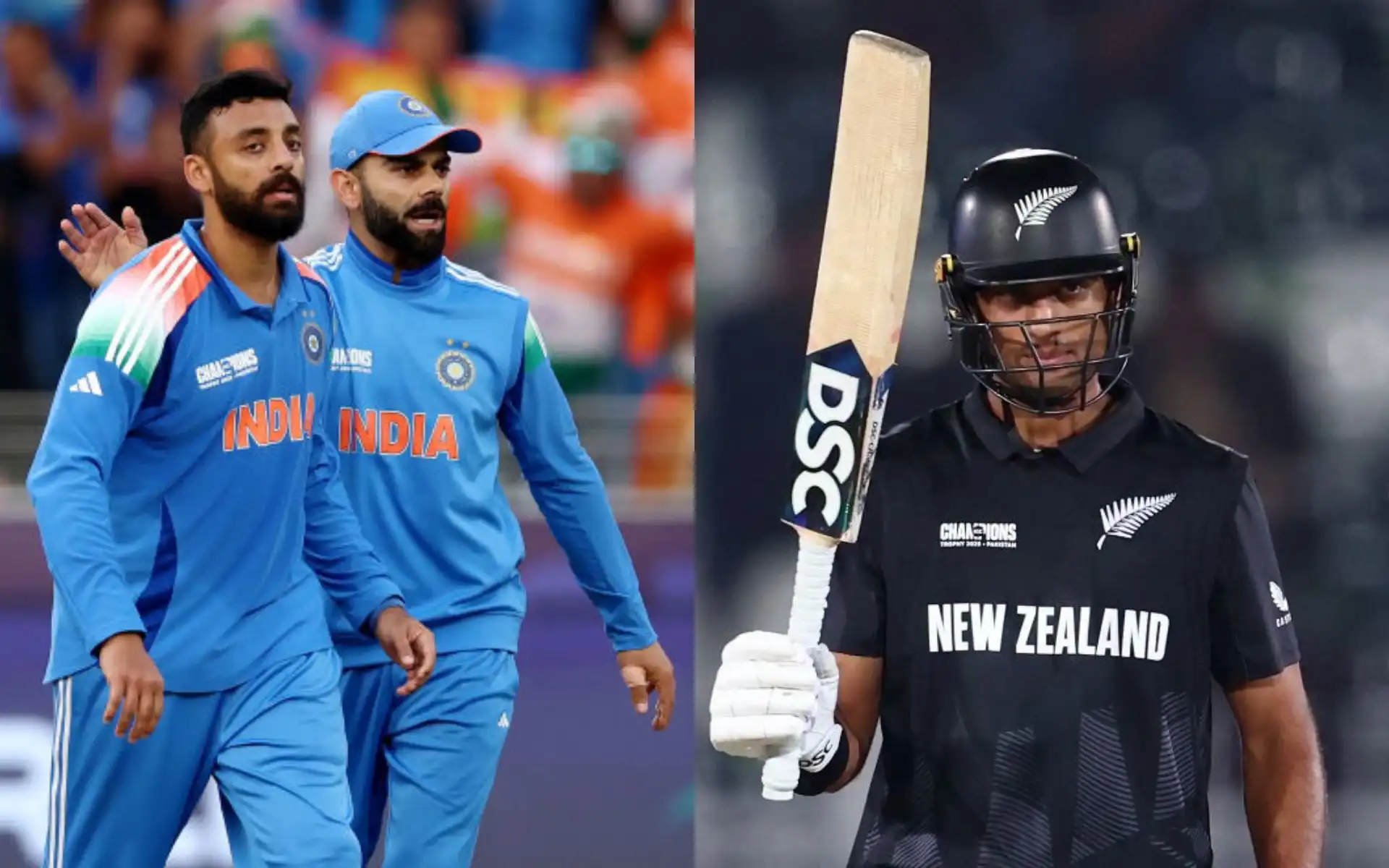
The New Zealand batting scorecard displays how their innings went. It shows each batsman’s runs scored, balls faced, boundaries hit, and how they were out.
Batting well is very important for setting up or chasing a target. New Zealand is noted for its disciplined batting style, which emphasizes clever shot selection and partnerships.
Scorecard for New Zealand Batting
| Batsman | Runs | Balls | Fours | Sixes | Dismissal |
|---|---|---|---|---|---|
| Opener 1 | 45 | 60 | 5 | 0 | Caught |
| Opener 2 | 32 | 40 | 4 | 1 | LBW |
| Middle Order 1 | 78 | 85 | 6 | 2 | Bowled |
| Middle Order 2 | 55 | 70 | 3 | 1 | Run Out |
| All-rounder | 25 | 20 | 2 | 1 | Caught |
| Lower Order | 40 | 30 | 4 | 2 | Not Out |
| Extras | 15 | – | – | – | – |
| Total | 290/8 | 50 Overs | – | – | – |
This table makes it easy to see how the New Zealand batters scored their runs. A solid middle-order performance is frequently what makes their innings strong.
Analysis of India’s Bowling Scorecard
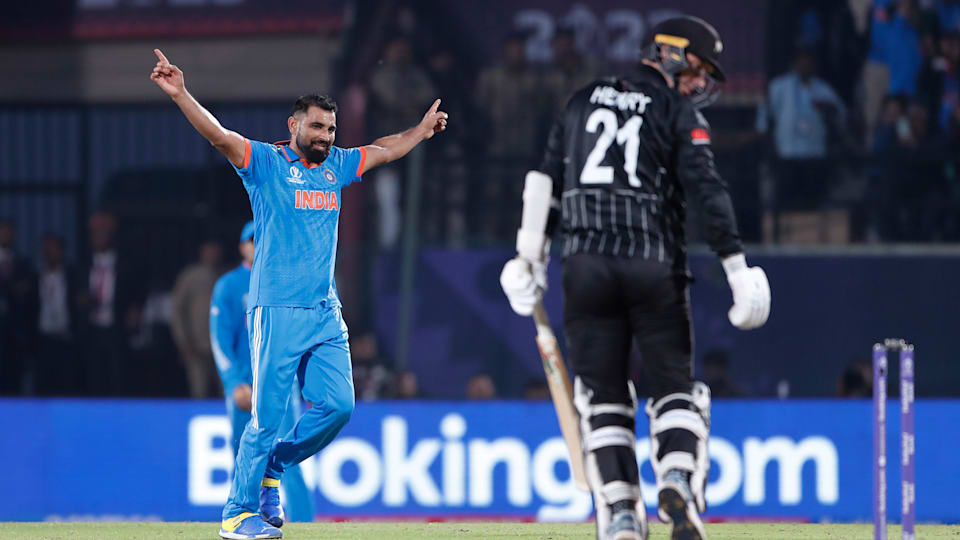
The bowling scorecard reveals how well Indian bowlers did against the New Zealand batsmen. It has the number of overs bowled, runs given up, wickets taken, and economy rate.
India’s bowling is usually strong because it combines speed and spin. The scorecard clearly shows that you can control runs and take wickets at regular intervals.
India Bowling Scorecard
| Bowler | Overs | Runs | Wickets | Economy |
|---|---|---|---|---|
| Fast Bowler 1 | 10 | 52 | 2 | 5.20 |
| Fast Bowler 2 | 9 | 48 | 1 | 5.33 |
| Spinner 1 | 10 | 45 | 3 | 4.50 |
| Spinner 2 | 8 | 40 | 1 | 5.00 |
| All-rounder | 6 | 35 | 1 | 5.83 |
| Total | 50 | 220 | 8 | – |
These numbers show which bowlers were in charge of the innings and which ones made important breakthroughs.
Analysis of India’s Batting Scorecard
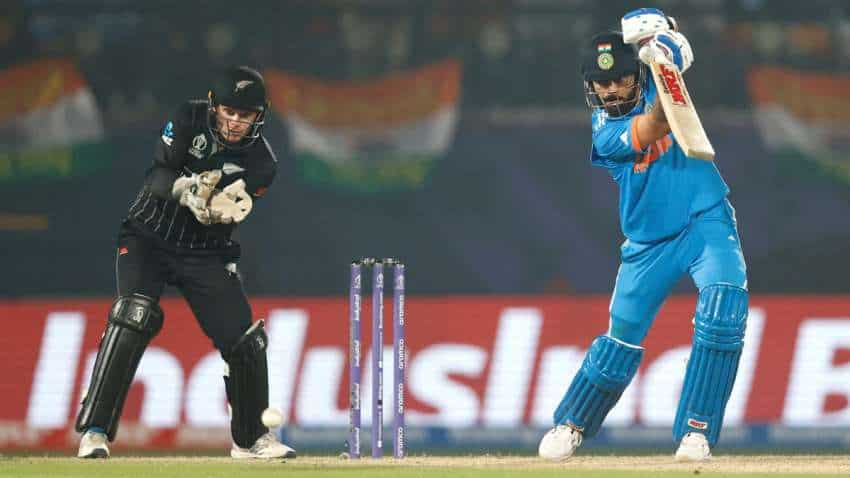
The batting scorecard for India shows how well the squad met New Zealand’s goal. Indian batsmen are noted for their technical excellence and ability to make extended innings.
The scorecard shows the pace of the chase or innings build-up by indicating partnerships and individual milestones.
India’s Batting Scorecard
| Batsman | Runs | Balls | Fours | Sixes | Removal |
|---|---|---|---|---|---|
| Opener 1 | 65 | 70 | 8 | 1 | Caught |
| Opener 2 | 40 | 50 | 4 | 0 | Bowled |
| Middle Order 1 | 90 | 95 | 7 | 2 | Not Out |
| Middle Order 2 | 30 | 35 | 2 | 1 | LBW |
| All-rounder | 20 | 15 | 1 | 1 | Caught |
| Lower Order | 15 | 10 | 2 | 0 | Not Out |
| Extras | 12 | – | – | – | – |
| Total | 272/4 | 48 Overs | – | – | – |
This scorecard demonstrates how India timed its innings, mixing caution with aggression to reach the goal.
Analysis of the New Zealand Bowling Scorecard
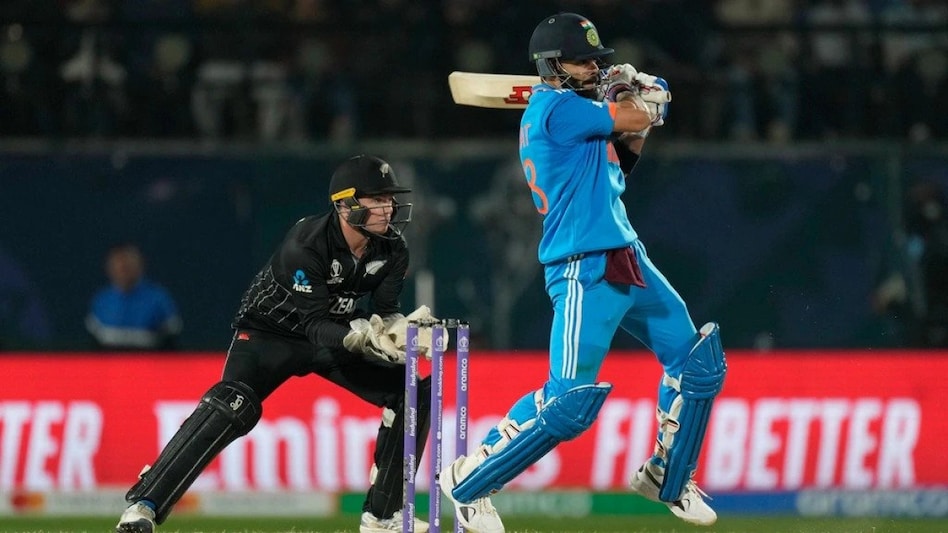
The bowling numbers for New Zealand show how well the bowlers defended the score or sought to keep India from scoring. New Zealand bowlers are known for being accurate and following the rules.
Scorecard for New Zealand Bowling
| Bowler | Overs | Runs | Wickets | Economy |
|---|---|---|---|---|
| Fast Bowler 1 | 10 | 55 | 1 | 5.50 |
| Fast Bowler 2 | 9 | 50 | 2 | 5.55 |
| Spinner | 10 | 42 | 1 | 4.20 |
| All-rounder | 8 | 45 | 0 | 5.62 |
| Medium Pacer | 6 | 30 | 0 | 5.00 |
| Total | 48 | 222 | 4 | – |
These data show how close the contest was and where the match turned in India’s favor.
Wickets Falling
The fall of wickets section indicates the score at which each batsman went out. This is vital for figuring out how the momentum changes during the innings.
Example of Wickets Falling in India
| Wicket | Score | Batsman Out |
|---|---|---|
| 1st | 80 | Opener 2 |
| 2nd | 120 | Opener 1 |
| 3rd | 180 | Middle Order 2 |
| 4th | 220 | All-rounder |
Even though India lost wickets at times, this table demonstrates that they stayed stable.
Partnerships and the Flow of the Game
Partnerships are what make any successful innings work. The scorecard typically shows important partnerships that impacted the outcome of the game.
A great opening pair gives the innings a good start, and partnerships in the middle order keep it going. The middle-order batsmen from India worked well together to keep the chase under control in this encounter.
New Zealand’s middle-order partnership also helped them get to a good total.
Important Performances
The scorecard shows which players from each side stood out. These include batsmen who score a lot of runs, bowlers who take a lot of wickets, and all-rounders who make a big difference.
Important Contributions
- A middle-order batsman for India who scored a match-winning innings
- A spinner who gets important wickets for India
- A New Zealand batsman holding the innings together under pressure
These performances often determine who gets the Player of the Match award.
Understanding Extras and How They Affect the Game
Extras are wides, no-balls, byes, and leg byes. Extras may appear small, but they can have a big effect on the final score, especially in close games.
Both teams gave up a fair number of extras in this game. The scorecard clearly shows them, making sure that everything is clear and correct.
Using the scorecard to compare how well teams did
Readers may see how the match was won or lost by looking at the scorecards of both teams. There are many things that matter, like run rate, wicket distribution, and economy rates.
India had the advantage since they chased down the runs quickly and bowled well. New Zealand’s competitive total made for a close match.
Why the Scorecard is Important for Fans and Analysts
The match scorecard is a lasting record of the game. Fans use it to see great performances again, and analysts use it to learn about team plans and how players are doing.
The scorecard gives readers who like numbers a full numerical breakdown of the match without needing to look anything up.
What the Match Scorecard Taught Us
Every scorecard teaches us something about working together, making plans, and being flexible. There are a lot of important things to learn from this New Zealand vs. India encounter.
- The value of making connections
- The worth of disciplined bowling
- The effects of making calm decisions when under stress
These teachings are useful for cricket at all levels, not just international cricket.
Conclusion
The scorecard for the New Zealand national cricket team vs. the India national cricket team match is more than just a list of statistics. It is a full account that shows what a competitive and high-quality cricket match is all about. Fans may see the hard work, ability, and strategy of both sides by carefully reading and comprehending the scorecard.
This article has broken down each aspect of the scorecard in a clear and professional way, which will help readers comprehend what happened in the match better. This extensive breakdown gives you a lot of useful information about one of the most exciting international cricket matches, whether you’re going back to the game or learning how to read a cricket scorecard.
Read More:-Australia vs South Africa Cricket Timeline